-
- 04.09.2025

7 Ways High-Tech Hotels Facilitate Positive Mental Health for Travelers
Traveling is an enriching and restorative experience. It can also come with its fair share of stress. Whether it’s navigating airports, adjusting to new time zones, or managing packed itineraries, the process of traveling, especially frequently, can impact one’s mental well-being. However, the rise of high-tech hotels is changing the hospitality landscape by offering thoughtful innovations that support and even enhance the mental health of guests.
These smart accommodations go beyond the wow factor of cutting-edge hospitality technology products. They are designed to offer greater convenience, comfort, personalization, and control, all elements that contribute directly to reduced stress levels and improved peace of mind.
Here’s are 7 ways high-tech hotels are paving the way for better mental health during travel.
1. Streamlined Check-In and Contactless Experiences
Long queues and face-to-face interactions after a tiring journey can increase anxiety for some travelers. High-tech hotels alleviate this pressure by offering contactless check-in, mobile key access, and app-based room controls. Guests can walk straight into their room without having to wait in line or engage in small talk, ideal for those dealing with social fatigue or travel exhaustion. thunderonthegulf
Eliminating friction points at the beginning of a stay sets a more relaxed tone, giving travelers a sense of control and predictability, both of which are critical for mental well-being.
2. Personalized In-Room Experiences for Maximum Comfort
One of the biggest contributors to travel-related stress is the disruption of routine. High-tech hotel rooms help recreate a home-like environment by allowing guests to customize their stay. Through voice-activated assistants or mobile apps, travelers can adjust lighting, temperature, curtains, and even mood-enhancing music or ambient sounds.
Some high-tech hotels also allow guests to save their preferences, so recurring visitors can enjoy their ideal settings instantly upon arrival. This sense of familiarity reduces the cognitive load of adjusting to a new space and helps guests feel grounded more quickly. cutes
3. Smart Lighting and Circadian Rhythm Support
Proper sleep is crucial for mental health, but jet lag and unfamiliar surroundings can disrupt rest. Many high-tech hotels now feature smart lighting systems that mimic natural sunlight patterns and support circadian rhythms. These systems adjust the lighting throughout the day to align with the guest’s time zone or personal preferences, promoting better sleep quality.
A well-rested mind is more resilient to stress and anxiety, and these innovations go a long way in helping travelers adjust and recuperate.
4. In-Room Wellness Features
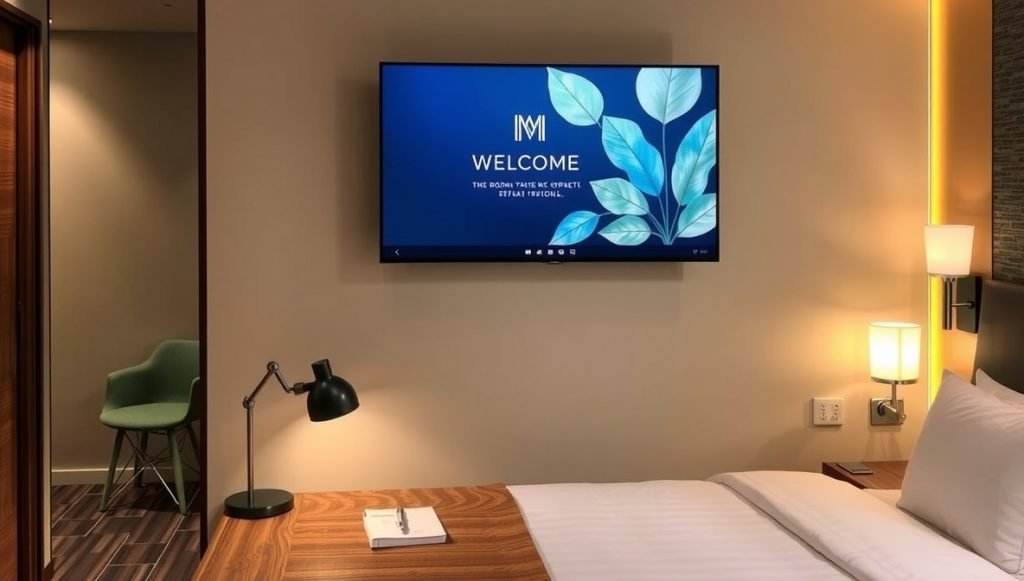
Modern high-tech hotels are increasingly integrating wellness-oriented technologies directly into their guest rooms. These can include sleep-enhancing sound machines, aromatherapy diffusers, guided meditation apps on in-room hospitality TVs, and even AI-powered sleep tracking systems.
By promoting relaxation and mindfulness, these features empower travelers to decompress after a busy day. Some hotels go even further, offering on-demand yoga and fitness content that guests can stream from the comfort of their rooms, providing an easy, private way to maintain healthy routines.
5. Access to Virtual Wellness Resources
Mental health support no longer has to be limited to physical services. Many high-tech hotels now provide access to virtual wellness platforms that offer guided meditation, mental health counseling, or stress-relief exercises. Guests can access these resources through in-room tablets or TV apps, helping them manage anxiety, loneliness, or travel-induced stress more effectively.
Having immediate access to mental wellness tools can be especially beneficial for solo travelers, digital nomads, or business guests dealing with pressure or homesickness.
6. Noise-Canceling Technology and Privacy Features
Peace and quiet are essential for mental restoration. High-tech hotels are increasingly being built with soundproofing materials, white noise systems, and acoustic privacy-enhancing technology. Some even use intelligent room assignment software to give solo or light-sleeping guests rooms in quieter areas of the hotel.
This attention to noise and privacy helps guests fully relax, meditate, or work without unnecessary distractions, key elements for reducing mental fatigue.
7. Smart Service Requests and Instant Gratification
The ability to instantly request room service, housekeeping, or fresh towels via tablet or app cuts down on unnecessary interactions and miscommunications. For guests with social anxiety or those who simply want a low-effort experience, this digital convenience enhances comfort and control.
Feeling heard and receiving fast, accurate service boosts satisfaction, and positive guest experiences often translate into improved mood and mental well-being.
Hospitality Tech That Cares
Technology in hotels is no longer just about novelty. When thoughtfully implemented, it can have a direct, meaningful impact on the mental health of travelers. From simplifying routines and minimizing stressors to enhancing rest and offering personalized comfort, high-tech hotels are evolving to meet not just the physical, but also the emotional needs of their guests.
In an increasingly fast-paced world, the hospitality industry’s move toward mental wellness through technology is both timely and essential. For travelers seeking not just a place to sleep and rest, but a space to truly reset, the high-tech hotel experience may be exactly what the mind and body, need.


