-
- 12.06.2025

The Legal Storm Surrounding Rowdy Oxford lawsuit: A Closer Look at the Lawsuit
In the ever-evolving world of college culture and nightlife, few names have become as synonymous with youthful rebellion as Rowdy Oxford. Known for its high-energy events, booming student following, and a reputation for pushing boundaries, Rowdy Oxford has often walked a fine line between entertainment and controversy. However, in recent months, the attention has shifted from its party scene to the courtroom. The much-discussed Rowdy Oxford lawsuit has sparked nationwide debate and raised questions about accountability, safety, and the price of fame in a social media-driven world.
The Rise of Rowdy Oxford
Rowdy Oxford began as a student-run party collective in Oxford, Mississippi, home to the University of Mississippi (Ole Miss). It gained traction quickly, thanks to savvy marketing, social media virality, and its alignment with a carefree, rebellious student lifestyle. What started as weekend gatherings soon turned into ticketed events, merchandise sales, and influencer partnerships. For many students, attending a Rowdy Oxford party became a rite of passage.
The brand’s identity was built around freedom, expression, and defiance of authority. Yet, as Rowdy Oxford’s popularity grew, so did concerns from university officials, local law enforcement, and community leaders. Reports of underage drinking, overcrowding, and rowdy behavior began surfacing—issues that eventually led to the escalation now known as the Rowdy Oxford lawsuit.
The Origins of the Lawsuit
The Rowdy Oxford lawsuit stems from a specific event held in late 2024, which was marketed as the “Biggest Bash Before Finals.” The event, which drew hundreds of attendees, allegedly violated multiple local ordinances and university regulations. More importantly, several attendees were reportedly injured due to what plaintiffs describe as “gross negligence” on the part of the event organizers.
According to official complaints, exits were blocked, security was insufficient, and there was a lack of medical personnel on-site. One plaintiff, a sophomore who sustained a fractured arm during a crowd surge, claimed that organizers ignored pleas for help as the situation escalated. These incidents culminated in a class-action Rowdy Oxford lawsuit filed by injured attendees and supported by their legal representatives.
Legal Allegations and Arguments
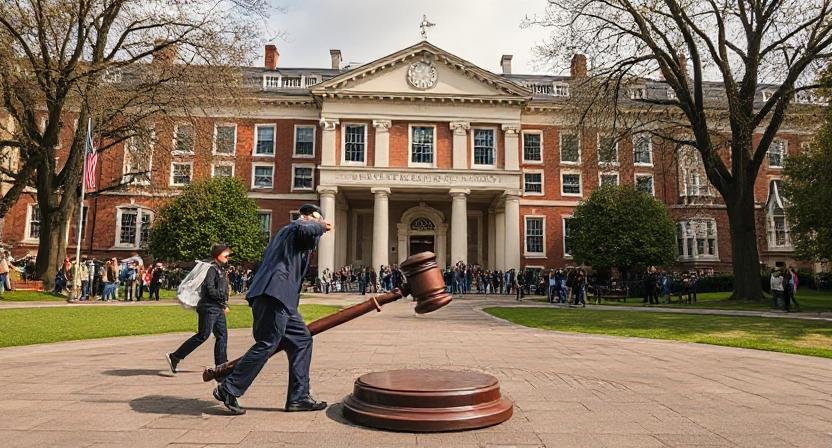
The lawsuit includes a wide range of allegations: negligence, public endangerment, violation of city codes, and emotional distress. Attorneys representing the plaintiffs argue that Rowdy Oxford failed to take basic safety precautions despite charging a premium for entry. They also claim that event organizers encouraged reckless behavior to boost engagement and attendance, often ignoring legal warnings from city officials.
In defense, Rowdy Oxford’s legal team maintains that they obtained the necessary permits and took reasonable measures to ensure safety. They argue that the plaintiffs were well aware of the nature of the event and that any injuries sustained were a result of individual choices, not organizational failure. However, public sentiment appears to be leaning heavily in favor of the plaintiffs, especially as more testimonies come forward detailing unsafe conditions.
Public and University Response
The Rowdy Oxford lawsuit has not only rocked the student community but has also forced university administration to respond. In a public statement, the University of Mississippi distanced itself from Rowdy Oxford, clarifying that the group is not officially affiliated with the institution. They also announced a review of their student conduct policies and partnerships with local law enforcement to monitor unauthorized large gatherings.
Parents of students have also voiced concerns, some calling for a complete shutdown of all Rowdy Oxford events. Critics argue that such parties glamorize risk-taking and contribute to a culture of irresponsibility. Meanwhile, supporters claim that the lawsuit is an overreach, targeting young people for behavior that has long been a staple of college life.
The Role of Social Media
One of the more complex layers of the Rowdy Oxford lawsuit is the role of social media. The brand’s popularity was largely fueled by platforms like Instagram, TikTok, and Snapchat, where videos of wild parties often went viral. Legal experts suggest that this online presence could serve as both evidence and liability.
Videos and photos from the controversial event have been submitted as evidence, showing packed rooms, aggressive behavior, and minimal security. At the same time, Rowdy Oxford’s own promotional content may be used to argue that the organization deliberately incited risky behavior. The digital footprint left behind is proving to be a double-edged sword in the courtroom.
Implications for Student Culture
Beyond the courtroom, the Rowdy Oxford lawsuit has ignited a broader discussion about student culture and the balance between freedom and responsibility. College students have always been known for partying, but the scale and commercialization of events like Rowdy Oxford have raised new ethical and legal questions.
Is it possible to maintain a fun, liberating student environment while ensuring safety and accountability? What responsibilities do organizers hold when monetizing experiences that are inherently risky? These are some of the philosophical dilemmas now being debated in town halls, classrooms, and newsrooms alike.
The Financial Fallout
As the Rowdy Oxford lawsuit progresses, the financial consequences are beginning to manifest. Sponsors have pulled out, merchandise sales have declined, and some venues have refused to host future events. The brand, once riding a wave of popularity, is now in damage control mode.
Legal costs alone are expected to be substantial. If the plaintiffs are awarded damages, it could set a precedent for similar lawsuits against student-led organizations across the country. This financial uncertainty has caused internal rifts within Rowdy Oxford, with some former members stepping away from the brand entirely. rowdy oxford integris
Potential Outcomes
While it’s too early to predict the final ruling, several potential outcomes are being considered. If the court rules in favor of the plaintiffs, Rowdy Oxford could be ordered to pay significant damages, disband its event operations, or undergo court-ordered restructuring. On the other hand, if Rowdy Oxford manages to defend its case successfully, it could mark a turning point in how such events are regulated and perceived.
Either way, the Rowdy Oxford lawsuit is likely to leave a lasting mark. Whether seen as a cautionary tale or an overblown response, it has already reshaped the conversation around youth-led entertainment ventures.
Media Coverage and Public Sentiment
The case has received significant media attention, with national outlets covering developments almost weekly. Documentaries and podcasts are already in production, hoping to dissect the rise and potential fall of a once-popular cultural phenomenon. Public sentiment, while varied, tends to view the Rowdy Oxford lawsuit as indicative of a larger trend where youthful exuberance meets legal reality.
Students are divided—some blame the organizers entirely, while others argue that the attendees must also take responsibility for their actions. Parents, faculty, and alumni have expressed a range of emotions from concern to outrage. Even rival party collectives at other universities are watching closely, considering the implications for their own operations.
Lessons to Be Learned
Regardless of the outcome, the Rowdy Oxford lawsuit serves as a powerful reminder of the responsibilities that come with leadership, especially in the realm of event planning and public gatherings. Young entrepreneurs and organizers must understand that success doesn’t exempt them from accountability.
By examining the factors that led to the lawsuit—poor planning, unsafe conditions, and lack of oversight—future student leaders can better prepare themselves to host events that are both enjoyable and compliant with laws. This case could ultimately become part of a new educational framework on campus safety and organizational ethics.
What Happens Next
As proceedings continue, the next steps in the Rowdy Oxford lawsuit include depositions, hearings, and potential settlement talks. Many expect the case to drag on for months, possibly even years, due to the number of parties involved and the complexity of the claims.
In the meantime, Rowdy Oxford’s digital platforms have gone quiet, and no new events have been announced. Whether this is a temporary retreat or the end of the brand remains to be seen. What is clear, however, is that this case is far from just a legal matter—it’s a cultural reckoning.


