isotonix vitamins – Benefits, Science, and the Future of Nutritional Wellness

Introduction

Health and wellness have become central priorities in the modern age. With fast-paced lifestyles, irregular diets, and the pressures of everyday living, people are turning to supplements to fill nutritional gaps. From tablets and capsules to powders and gummies, the supplement industry has exploded into a multi-billion-dollar global market. Among these, liquid-based supplement systems have gained traction for their unique delivery methods and absorption claims. Products such as isotonix vitamins are frequently discussed within health circles, not just as another supplement but as a potential evolution in how nutrients are consumed and absorbed.

This article explores the broader role of supplements, the science behind liquid nutrition delivery, the growing consumer awareness of micronutrients, and how such innovations are reshaping public health conversations isotonix side effects.

The Evolution of Dietary Supplements

Dietary supplementation has existed in some form for centuries. Ancient civilizations consumed herbs, roots, and natural extracts to enhance vitality and address deficiencies. Over time, scientific discoveries identified essential vitamins and minerals, paving the way for modern formulations.

The early 20th century was a turning point, with vitamins being isolated, synthesized, and introduced into mass markets. Capsules and tablets dominated because they were cost-effective and convenient to manufacture. However, challenges such as inconsistent absorption and degradation during digestion began sparking interest in alternative delivery methods. The emergence of powdered solutions and isotonic formulas, like those associated with isotonix vitamins, responded to these concerns by aiming for faster, more efficient nutrient utilization in the body. mygreenbucks

Understanding Nutrient Absorption

Absorption is at the heart of supplementation effectiveness. It is not merely what you consume that matters, but what your body can utilize. Factors such as age, digestive health, and overall diet influence how efficiently nutrients pass through the gut lining into the bloodstream.

Traditional tablets may lose potency during digestion. The stomach’s acidic environment and the mechanical process of breaking down solid pills can limit bioavailability. This has driven interest toward formulations designed to bypass such hurdles. In theory, isotonic solutions mirror the body’s natural osmotic pressure, potentially allowing nutrients to enter the small intestine rapidly. Supporters argue that this makes supplements like isotonix vitamins distinct in the marketplace, as they emphasize efficiency alongside content. famousparenting

The Rise of Wellness Culture

The wellness movement has redefined how society views health. No longer is it simply about avoiding illness; it’s about optimizing lifestyle, energy, and longevity. This shift is evident in consumer behavior. People actively research ingredients, examine labels, and share supplement experiences on digital platforms.

Health influencers, nutritionists, and fitness coaches now serve as advocates, guiding audiences toward products they believe enhance performance and well-being. Within this cultural transformation, liquid delivery systems have sparked curiosity because they resonate with consumers seeking convenience and innovation. It is within this trend that isotonix vitamins have found an engaged and questioning audience eager for alternatives to traditional supplementation.

Personalized Nutrition

One of the defining features of modern supplementation is personalization. Generic, one-size-fits-all approaches are giving way to solutions tailored to individual needs. Genetic testing, lifestyle assessments, and health tracking apps empower people to understand their unique nutritional requirements.

This personalization dovetails with the demand for flexible delivery systems. Instead of swallowing a handful of pills, consumers increasingly prefer adjustable dosages and easy-to-mix powders. The shift illustrates why certain products, including isotonix vitamins, appeal to those who value customization in their wellness routines. It reflects a larger trend of integrating technology, data, and consumer choice into health practices.

Science and Skepticism

The supplement industry exists at the intersection of science and skepticism. Advocates highlight research showing benefits from addressing micronutrient deficiencies, while critics warn against exaggerated claims and overreliance. Transparency and evidence-based marketing are critical in building consumer trust.

Clinical studies, third-party testing, and regulatory compliance matter significantly. Without such measures, consumer skepticism intensifies. This is why discussions around innovative products such as isotonix vitamins often involve debates about bioavailability, real-world outcomes, and whether isotonic delivery significantly outperforms conventional methods. Such conversations underscore the importance of evidence in guiding wellness decisions.

Supplements and Lifestyle Integration

For supplements to be effective, they must integrate seamlessly into everyday life. Consumers are more likely to maintain consistent routines when products are easy to use, taste pleasant, and offer visible benefits. This integration explains why powdered solutions, drinkable options, and ready-to-mix products have become popular.

Busy professionals, fitness enthusiasts, and parents often prioritize convenience. A supplement that dissolves quickly in liquid may fit more naturally into morning or post-workout routines than a large tablet. This ease of use helps explain the appeal of options like isotonix vitamins, which are positioned not only as nutritionally supportive but also lifestyle-compatible.

Global Market Growth

The global supplement industry has grown rapidly, with demand spanning North America, Europe, Asia, and emerging markets. Factors such as aging populations, rising disposable income, and increased health awareness drive this growth.

In particular, consumers in developing economies are investing more in preventive health, recognizing the long-term value of wellness products. Markets are also influenced by digital retail platforms, subscription models, and influencer-driven marketing. Within this expansive market, niche innovations gain attention for their differentiation. Products positioned similarly to isotonix vitamins stand out because they leverage both scientific narratives and consumer demand for innovative wellness solutions.

Regulatory Considerations

Supplements operate in a complex regulatory environment. Unlike pharmaceuticals, they often face less stringent approval processes before reaching shelves. However, this lighter regulation comes with responsibility: companies must ensure safety, accurate labeling, and adherence to local standards.

Global variations in laws make compliance even more complex. What is permissible in one country may be restricted in another. As a result, international brands must navigate a patchwork of rules to gain credibility. This scrutiny is especially relevant for high-profile innovations. Products marketed like isotonix vitamins undergo careful consumer evaluation, and adherence to regulation becomes part of their reputation.

Public Perception and Trust

Trust defines success in the supplement industry. Consumers must believe in both the quality of the product and the intentions of the company behind it. Reviews, testimonials, and word-of-mouth play pivotal roles in shaping public perception.

Misinformation, however, can undermine trust. Overstated promises and lack of transparency have historically damaged the credibility of the supplement industry. In contrast, brands that prioritize honesty, quality assurance, and consumer education foster long-term loyalty. It is in this environment that discussions around isotonix vitamins arise, reflecting both curiosity and critical evaluation among health-conscious audiences.

The Future of Supplementation
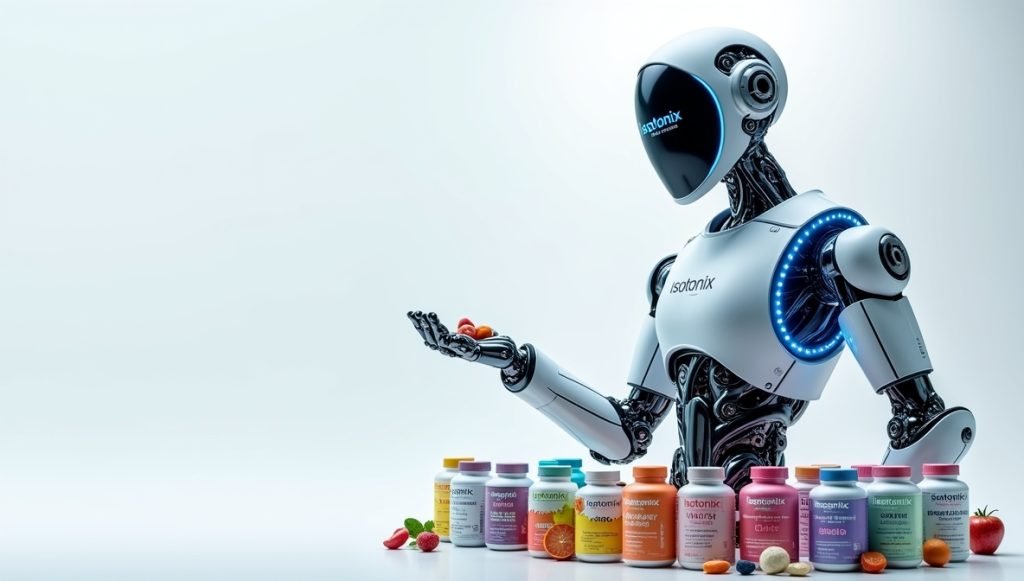
Looking ahead, the supplement industry will likely embrace technology even further. Digital health monitoring, artificial intelligence-driven nutrition plans, and personalized subscription models are poised to reshape consumer engagement. Supplements may evolve into fully integrated health ecosystems where tracking, delivery, and feedback work in harmony.

Sustainability will also become increasingly important. Eco-friendly packaging, ethically sourced ingredients, and transparent supply chains will be vital for building consumer trust. Innovations like isotonic solutions will continue to spark debate, while products such as isotonix vitamins highlight the potential for disruption in an already competitive market.

Conclusion

The supplement industry reflects the growing desire for proactive, personalized wellness. From ancient remedies to modern isotonic solutions, the journey demonstrates a constant search for better health. Supplements are no longer viewed as optional extras but as essential tools for navigating the demands of contemporary life.

As consumers demand more transparency, convenience, and scientific backing, the industry adapts. New delivery systems, shifting cultural attitudes, and personalized nutrition plans define the next era of wellness. Products like isotonix vitamins symbolize this shift—balancing science, consumer demand, and lifestyle compatibility in ways that resonate with health-conscious individuals.

In the end, the story of supplements is not just about nutrients but about empowerment. It reflects humanity’s collective pursuit of vitality, resilience, and longevity. While questions remain, one truth stands clear: the future of health will continue to be written not only in clinics and laboratories but also in the everyday routines of people choosing wellness, one supplement at a time.


Isotonix Review – Comprehensive Guide to Benefits, Ingredients, and Effectiveness

Introduction

In today’s health and wellness industry, dietary supplements have taken on an increasingly central role. Individuals searching for ways to improve their energy, immunity, or overall vitality are often drawn toward branded solutions that promise convenience and efficacy. Among the numerous names circulating in the wellness community, the discussion of isotonix review frequently emerges as people seek clarity on how these supplements perform, what advantages they offer, and whether they live up to their claims.

Supplements marketed under the isotonic delivery method stand out due to their promise of faster absorption and enhanced bioavailability. Unlike traditional pills or capsules, isotonic supplements are designed to match the body’s natural osmotic pressure, potentially allowing nutrients to be absorbed more efficiently. This concept has captured widespread attention, prompting users, healthcare professionals, and researchers to examine the validity of such claims.

The following article provides a comprehensive exploration of this subject, analyzing the formulation, benefits, limitations, consumer experiences, and future outlook of isotonic supplements. While doing so, it integrates discussions where the phrase isotonix review represents the broader curiosity and investigation into these products isotonix opc-3.

The Science Behind Isotonic Supplements

To understand why isotonic supplements are unique, one must first grasp the meaning of “isotonic.” In scientific terms, isotonic solutions have the same osmotic pressure as bodily fluids such as blood and tears. When nutrients are delivered in an isotonic state, the digestive system requires less energy to process them, theoretically leading to quicker absorption.

This mechanism stands in contrast to tablets or capsules that must first be broken down in the stomach before nutrients can be absorbed into the bloodstream. Supporters of the isotonic approach argue that it reduces nutrient loss during digestion and provides more immediate benefits.

The foundation of every isotonix review lies in this principle: the difference between traditional delivery systems and isotonic formulations. Whether these claims translate into tangible health improvements is the subject of ongoing debate.

Nutrient Delivery and Bioavailability

One of the most emphasized selling points of isotonic supplements is enhanced bioavailability. Bioavailability refers to the proportion of nutrients that enter circulation and are available for the body to use. A supplement could contain high amounts of vitamins or minerals, but if only a fraction is absorbed, its effectiveness diminishes.

In theory, isotonic delivery increases the percentage of nutrients absorbed. For individuals with digestive challenges, such as reduced stomach acid or poor nutrient absorption, this method could provide particular benefits. However, critics argue that the body already possesses efficient absorption mechanisms, and the gains from isotonic solutions may be marginal.

Thus, any comprehensive isotonix review must weigh these claims against both scientific data and anecdotal evidence.

Popular Ingredients in Isotonic Supplements

Isotonic supplements often contain a wide array of vitamins, minerals, antioxidants, and botanicals. Some of the commonly featured nutrients include:

  • Vitamin C – Known for immune support and antioxidant protection.
  • B-complex vitamins – Important for energy metabolism and nervous system health.
  • Calcium and magnesium – Essential for bone strength and muscle function.
  • Antioxidants such as resveratrol or Pycnogenol – Promoted for their potential anti-aging and cardiovascular benefits.
  • Multivitamin blends – A combination of nutrients for general wellness.

When people search for an isotonix review, they often want clarity about whether these ingredients, when delivered isotonic form, produce noticeable results.

Consumer Perspectives and Experiences

Consumer reviews reveal a wide spectrum of experiences with isotonic supplements. Some users report feeling increased energy, improved digestion, and better immunity after consistent use. Others, however, see little to no difference compared to traditional supplements.

For instance, a person might highlight improved focus and stamina, while another might question whether the results come from the placebo effect. These differences underscore the complexity of supplement efficacy, which is influenced by diet, lifestyle, genetics, and existing health conditions.

A balanced isotonix review acknowledges both sides: the enthusiastic testimonials that praise results and the skeptical voices demanding stronger scientific validation.

Cost Considerations

One notable factor is cost. Isotonic supplements tend to be priced higher than standard vitamins or minerals. The price difference is justified by manufacturers on the basis of superior delivery technology and increased effectiveness.

However, consumers must assess whether the potential benefits outweigh the additional expense. For some, the convenience and perceived results justify the cost; for others, affordable alternatives may seem more practical. In many discussions, the theme of isotonix review highlights this tension between premium pricing and measurable outcomes.

Comparing Isotonic Supplements to Traditional Forms

To fully evaluate isotonic supplements, it helps to compare them with capsules, tablets, powders, or liquid vitamins.

  • Tablets – Widely available and inexpensive but may have slower absorption rates.
  • Capsules – Easier to swallow and sometimes more bioavailable than tablets.
  • Powders – Can be mixed into drinks, offering flexibility but often less convenient.
  • Isotonic solutions – Marketed as faster absorbing but require careful preparation (mixing with water) to maintain the isotonic state.

Such comparisons often appear in every isotonix review, where users want to know if switching delivery formats leads to significantly improved health outcomes.

Safety and Side Effects

As with any supplement, safety is an important consideration. Isotonic supplements generally use vitamins and minerals recognized as safe in standard doses. However, potential side effects include digestive upset, allergic reactions to specific ingredients, or interactions with medications.

Healthcare professionals emphasize that supplements should complement, not replace, a balanced diet. Over-reliance on supplements may create a false sense of security, leading individuals to neglect whole foods. In analyzing an isotonix review, it becomes clear that safety concerns should always accompany conversations about effectiveness.

Marketing and Consumer Perceptions

Marketing plays a significant role in shaping public perception of isotonic supplements. Advertisements often highlight fast absorption, scientific innovation, and glowing testimonials. This narrative appeals to consumers seeking convenience and immediate results.

Yet, marketing can sometimes overpromise. While some claims are backed by science, others are exaggerated, leading to skepticism. Thus, part of any reliable isotonix review involves separating marketing language from evidence-based facts.

The Role of Healthcare Professionals

Doctors, nutritionists, and dietitians remain critical voices in evaluating supplements. While many acknowledge the potential benefits of isotonic delivery, they caution against treating supplements as miracle cures. They emphasize evaluating personal needs, medical history, and dietary gaps before choosing any product.

Their input ensures that consumers make informed choices rather than relying solely on advertisements or anecdotal stories. An informed isotonix review often draws upon such professional insights to balance enthusiasm with caution.

Future Outlook of Isotonic Supplements

Looking ahead, the isotonic supplement market is likely to expand as consumers demand more effective and convenient health products. Advances in nutritional science, biotechnology, and personalized medicine may enhance the sophistication of isotonic formulations.

For instance, tailored isotonic blends based on genetic testing or microbiome analysis could revolutionize how individuals supplement their diets. This evolving landscape means that future isotonix review discussions will likely focus on even more personalized, scientifically grounded innovations.

Conclusion

The rise of isotonic supplements underscores the broader desire for health solutions that are both effective and convenient. By aligning with the body’s natural processes, isotonic delivery methods promise faster and more efficient nutrient absorption.

However, the real-world impact varies, depending on factors such as diet, lifestyle, and individual physiology. Some consumers experience noticeable benefits, while others question whether the difference justifies the cost. As with all supplements, safety, professional guidance, and realistic expectations are essential.

Ultimately, the discussion of isotonix review reveals the complexities of evaluating wellness products in a market filled with innovation, marketing, and diverse user experiences. By combining scientific understanding with personal insights, consumers can navigate these choices with greater confidence and clarity.

isotonix opc-3 – Detailed Guide on Antioxidant Supplement Benefits and Usage

The wellness industry has witnessed tremendous growth over the last few decades, driven by increased awareness about health, nutrition, and preventive care. People are no longer waiting to become unwell before making changes; they are actively seeking ways to maintain vitality, boost immunity, and reduce the risk of chronic conditions. One of the key strategies involves supplementation, which fills nutritional gaps and enhances the benefits of a balanced diet.

Within this sphere, isotonix opc-3 has gained considerable attention. Known for its unique delivery system and potent antioxidant blend, it has become a discussion point among health enthusiasts and professionals alike. This article provides a thorough exploration of this supplement—its science, ingredients, potential benefits, and limitations—so that readers can make informed choices about incorporating it into their wellness plans isotonix lawsuit.

Understanding the Need for Antioxidants

To appreciate why certain supplements gain popularity, it’s important to start with the basics. The human body faces a constant battle with free radicals—unstable molecules that can damage cells, proteins, and DNA. Free radicals are formed naturally during metabolism but are increased by stress, pollution, smoking, poor diet, and UV exposure.

The body produces its own antioxidants, but often these defenses are not enough to counter the volume of oxidative stress generated by modern lifestyles. Left unchecked, oxidative stress contributes to aging, inflammation, and diseases. This is why diets rich in fruits, vegetables, and whole grains are recommended: they provide antioxidants that neutralize free radicals.

When food alone isn’t sufficient, supplementation becomes a practical choice. This is where products like isotonix opc-3 come into play. Its formulation focuses on antioxidant-rich plant extracts combined in an isotonic delivery format, promising better absorption and efficiency.

The Evolution of Supplement Delivery

Traditional supplements are often delivered in tablets, capsules, or powders. While effective for many, they have limitations. Some dissolve slowly; others are less bioavailable due to digestive breakdown. Consumers and manufacturers are increasingly interested in ways to improve nutrient absorption, making supplements more effective.

The isotonic concept aims to solve this problem. “Isotonic” refers to a solution having the same fluid pressure as bodily fluids. When a supplement is mixed with the right amount of water and consumed, it is already in a form that closely resembles the body’s natural fluids. This means less energy spent on digestion and faster absorption.

isotonix opc-3 is designed around this principle. Its popularity comes from the idea that nutrients delivered in this format are absorbed more rapidly, allowing individuals to potentially experience benefits sooner compared to conventional pills.

Breaking Down the Ingredients

Though proprietary blends vary, antioxidant supplements often feature plant extracts and bioflavonoids. These ingredients are selected for their potential to support cardiovascular health, immune function, and cellular protection.

The composition of isotonix opc-3 typically includes compounds like grape seed extract, pine bark extract, bilberry, and citrus bioflavonoids. Each has been studied for antioxidant properties:

  • Grape seed extract is rich in oligomeric proanthocyanidins (OPCs), known for cardiovascular support.
  • Pine bark extract is associated with circulation and inflammation support.
  • Bilberry is thought to promote eye and vascular health.
  • Citrus bioflavonoids help enhance vitamin C activity and general antioxidant protection.

By combining these ingredients, the formula aims to deliver broad-spectrum support, reinforcing the body’s ability to handle oxidative stress.

Positioning Within a Healthy Lifestyle

No supplement should be viewed as a substitute for balanced living. True wellness depends on regular physical activity, nutrient-dense foods, hydration, stress management, and rest. Supplements are most effective when used as part of this foundation.

For individuals with demanding schedules, dietary restrictions, or increased oxidative stress (due to factors like high-intensity exercise, urban living, or aging), antioxidant support can be valuable. In such cases, isotonix opc-3 can serve as an additional tool. It is intended to complement meals, not replace them, providing concentrated antioxidant support in a convenient format.

Who Could Benefit Most?

While everyone can benefit from a diet rich in antioxidants, certain groups may have higher needs. Athletes, for example, generate more free radicals due to physical exertion. Urban dwellers may face more pollution exposure. Older adults often seek extra immune and vascular support.

Adding isotonix opc-3 might appeal to these demographics, particularly when dietary intake of fruits and vegetables is inconsistent. Its appeal lies not only in the formula but in the ease of consumption and perceived efficiency.

Examining the Evidence

In a market filled with bold claims, evidence matters. Research into antioxidants and OPCs (oligomeric proanthocyanidins) is ongoing, with studies suggesting benefits for cardiovascular health, circulation, and oxidative stress reduction.

However, no supplement can guarantee specific outcomes for everyone. Variables like diet, genetics, lifestyle, and consistency influence results. Responsible brands and health professionals emphasize that products like isotonix opc-3 support general wellness but are not treatments or cures. Consumers benefit most when they combine supplements with overall healthy habits and realistic expectations.

Addressing Misconceptions

Supplements often attract myths. Some assume they provide instant results; others dismiss them entirely. The truth is nuanced. Supplements are not magic, but they can be helpful when used thoughtfully.

isotonix opc-3 is designed to deliver antioxidants conveniently, but it cannot compensate for poor dietary patterns, chronic stress, or lack of sleep. Understanding its role—as supportive rather than transformative—is key.

The Role of Transparency and Education

Trust is essential in health-related products. Consumers are increasingly informed, reading labels, asking questions, and seeking independent verification. Brands succeed when they are open about sourcing, manufacturing, and scientific backing.

When considering a supplement like isotonix opc-3, it’s wise to look for clarity on dosage, ingredient origin, and quality standards. Transparency not only builds trust but also empowers users to make informed decisions about their health.

Antioxidants in the Larger Wellness Conversation

Antioxidants are part of a much bigger picture. They work alongside other nutrients, hormones, and systems to maintain balance. Physical activity improves circulation and reduces inflammation. Stress management reduces the internal production of free radicals. Sleep allows repair processes to take place.

When one element is lacking, the system suffers. That’s why even a strong antioxidant formula like isotonix opc-3 is most effective when combined with good habits. It is a supportive measure, not a standalone solution.

Looking Ahead

The future of supplementation is moving toward personalization and evidence-driven approaches. Advances in technology may allow for DNA-based nutrient profiling and customized blends. There’s also a growing demand for environmentally responsible and ethically sourced ingredients.

Within this evolving market, formulations like isotonix opc-3 are likely to remain relevant as long as they continue adapting to consumer needs. Speed, convenience, and transparency will shape how supplements are used in the years to come.

Final Thoughts

Good health is not built overnight, nor is it maintained by a single product. It is the result of consistent, thoughtful choices. Supplements have their place, particularly for supporting gaps in nutrition and enhancing overall well-being.

isotonix opc-3 is an example of how innovation in delivery systems and ingredient formulation can meet modern wellness demands. It brings antioxidants to those who value convenience, efficiency, and quality. But like all tools, it works best when combined with mindful living: nourishing foods, active days, restful nights, and stress resilience.

Ultimately, the decision to use any supplement is personal. By understanding its purpose and aligning it with individual goals, users can make informed, beneficial choices for their health journey.

Isotonix Lawsuit: Understanding Its Impact on Consumers and Businesses

In the dynamic world of health and wellness supplements, companies must navigate not only competitive markets but also strict regulatory frameworks. Isotonix, a popular line of dietary supplements, has been the focus of scrutiny due to the so-called isotonix lawsuit. This case has brought attention to issues surrounding product claims, consumer protection, and legal accountability in the supplement industry. Understanding the details of this lawsuit, its origins, and its potential outcomes provides valuable insights for both consumers and businesses operating in this sector.

Background of Isotonix Products

Isotonix supplements are marketed as high-quality nutritional products designed to support various aspects of health. Known for their isotonic delivery system, which proponents claim improves nutrient absorption, these products have gained a dedicated following. The line includes a variety of vitamins, minerals, and specialty formulations targeting cardiovascular health, joint support, immune function, and overall wellness winqizmorzqux product.

The popularity of Isotonix products is partly due to their positioning as premium dietary supplements. They are sold through multi-level marketing (MLM) channels, which rely on independent distributors to promote and sell the products. While this distribution model has been successful in creating brand awareness, it has also drawn regulatory attention because of the potential for exaggerated claims by sellers.

Origins of the Isotonix Lawsuit

The isotonix lawsuit emerged following allegations that the company misrepresented the benefits of its supplements. Plaintiffs in the case argued that marketing materials and promotional statements made unsubstantiated claims about the efficacy of certain products. These claims, according to the lawsuit, could mislead consumers into purchasing supplements under false pretenses.

Legal scrutiny in the dietary supplement industry is not uncommon. The Federal Trade Commission (FTC) and the Food and Drug Administration (FDA) in the United States have strict guidelines regarding health claims. Companies are required to provide scientific evidence supporting their product claims, and any exaggerated or false statements can lead to legal action. In this context, the Isotonix lawsuit reflects broader industry challenges in maintaining compliance with regulatory standards.

Key Allegations and Claims

The isotonix lawsuit includes several core allegations. One central claim is that the company overstated the benefits of specific supplements, suggesting that they could prevent, treat, or cure certain health conditions. Such claims, if unsubstantiated, can constitute deceptive marketing practices under U.S. law.

Another component of the lawsuit focuses on transparency in labeling and product information. Plaintiffs have alleged that some Isotonix products did not provide adequate disclosure about ingredient concentrations or potential side effects. Accurate labeling is essential for consumer safety, and failure to comply with these standards can trigger both legal consequences and reputational damage.

Additionally, some claims in the lawsuit address the MLM distribution model. Independent distributors may sometimes present product information in a manner that goes beyond the company’s official statements. Although companies may not directly endorse misleading statements made by sellers, they can still be held accountable under certain circumstances, making corporate oversight critical.

Regulatory Context and Industry Standards

To fully understand the isotonix lawsuit, it is important to consider the regulatory environment of the dietary supplement industry. Supplements are classified as foods rather than drugs, meaning that they are subject to different regulations than pharmaceuticals. Companies cannot claim that their products diagnose, treat, cure, or prevent diseases unless they undergo rigorous clinical testing and obtain approval from the FDA.

Despite this distinction, companies must still adhere to the Federal Food, Drug, and Cosmetic Act (FD&C Act), which prohibits false advertising and misbranding. Additionally, the FTC monitors marketing practices to ensure that consumers are not misled by exaggerated or unverified claims. The Isotonix lawsuit highlights how violations of these standards can lead to litigation and financial liability.

Consumer Implications

For consumers, the isotonix lawsuit raises important questions about safety, efficacy, and informed decision-making. Many individuals purchase dietary supplements with the expectation that they provide meaningful health benefits. When marketing claims are inaccurate or misleading, consumers may spend money on products that do not deliver the promised results.

Moreover, consumers rely on transparent labeling to make informed choices. A lack of clear information about dosage, potential interactions, or contraindications can pose health risks. The lawsuit underscores the need for consumers to critically evaluate supplement claims and seek guidance from healthcare professionals before using new products.

Business and Market Implications

From a business perspective, the isotonix lawsuit serves as a cautionary tale for companies operating in the dietary supplement sector. Legal disputes can damage brand reputation, reduce consumer trust, and result in financial penalties. Companies must implement robust compliance programs, including rigorous product testing, accurate labeling, and careful oversight of marketing channels.

The lawsuit also highlights the importance of distributor training in MLM models. Companies should ensure that independent sellers communicate information accurately and adhere to regulatory guidelines. By investing in compliance and transparency, businesses can mitigate legal risks and strengthen consumer confidence.

Case Comparisons in the Supplement Industry

The Isotonix case is not unique; similar lawsuits have arisen against other supplement manufacturers. These cases often involve claims of false advertising, mislabeling, or failure to provide scientific substantiation for health benefits. Studying these precedents provides insight into potential outcomes and legal strategies.

For instance, previous settlements in the supplement industry have included monetary compensation to affected consumers, mandatory revisions to marketing materials, and enhanced transparency in labeling. These outcomes demonstrate that courts and regulatory bodies are increasingly vigilant in protecting consumers from misleading claims.

Scientific Evidence and Product Efficacy

One of the central issues in the isotonix lawsuit is the availability of scientific evidence supporting product claims. While Isotonix products incorporate vitamins, minerals, and other bioactive compounds with known health benefits, the extent of their effectiveness in the specific formulations promoted is a matter of dispute.

Scientific studies, clinical trials, and peer-reviewed research play a critical role in substantiating health claims. Companies that can provide credible evidence are better positioned to defend themselves against litigation. Conversely, the absence of robust data can lead to legal challenges and erode consumer trust.

Legal Strategies and Defense Approaches

In response to the isotonix lawsuit, the company may pursue several legal strategies. These could include challenging the allegations as lacking sufficient evidence, demonstrating compliance with regulatory standards, and highlighting efforts to educate consumers and distributors. Effective defense strategies often involve collaboration between legal, scientific, and marketing teams to present a comprehensive case.

Mediation or settlement may also be considered as a means to resolve disputes outside of court. Settlements can provide a quicker resolution, reduce litigation costs, and minimize negative publicity. However, they may also involve financial compensation or changes to marketing practices, impacting the company’s operations.

Long-Term Implications for the Industry

The isotonix lawsuit has broader implications for the dietary supplement industry. Increased scrutiny from regulators, consumers, and media outlets may prompt companies to adopt higher standards of transparency and accountability. Businesses may invest more heavily in clinical research, accurate labeling, and training programs for distributors.

Furthermore, legal precedents set by this lawsuit could influence how other supplement manufacturers approach product claims. Companies may become more cautious in their marketing strategies, prioritize scientific substantiation, and enhance compliance programs to reduce the risk of litigation.

Consumer Awareness and Education

An important takeaway from the isotonix lawsuit is the value of consumer education. Individuals need to critically assess supplement claims, verify the credibility of scientific evidence, and consult healthcare professionals when necessary. Media coverage of the lawsuit has increased public awareness about the importance of informed decision-making in the dietary supplement market.

Educational initiatives by industry associations, regulatory agencies, and independent organizations can further empower consumers. By promoting transparency and critical thinking, these efforts contribute to a safer and more informed marketplace.

Impact on Multi-Level Marketing Models

The MLM distribution model, which Isotonix employs, has been under scrutiny in connection with the lawsuit. MLM companies rely on networks of independent sellers, which can create challenges in maintaining consistent messaging and compliance. The isotonix lawsuit highlights the necessity of rigorous training programs, oversight mechanisms, and clear guidelines for distributors to prevent misleading representations.

Improving transparency and accountability in MLM models not only mitigates legal risks but also enhances the credibility of the brand. Companies that proactively address these challenges are better positioned to maintain consumer trust and long-term growth.

Ethical Considerations in Supplement Marketing

Ethical marketing practices are at the heart of the isotonix lawsuit. Companies have a responsibility to ensure that their claims are accurate, supported by evidence, and communicated transparently. Misleading advertising can exploit consumer trust and result in financial and health-related consequences.

Ethical considerations extend beyond regulatory compliance. Companies that embrace responsible marketing, prioritize consumer safety, and promote transparency are more likely to build lasting relationships with customers and sustain their business in a competitive industry.

Potential Outcomes of the Lawsuit

The isotonix lawsuit could result in a range of outcomes, depending on the evidence presented and the legal arguments made. Possible results include financial settlements, mandated revisions to marketing materials, enhanced labeling requirements, or even dismissal if claims are unsubstantiated. Each potential outcome carries implications for the company, its distributors, and the broader supplement industry.

Regardless of the legal resolution, the case underscores the importance of adhering to regulatory standards, maintaining transparency, and prioritizing consumer trust. Lessons learned from this lawsuit may influence corporate policies and industry practices for years to come.

Lessons for Businesses and Consumers

The Isotonix case provides several important lessons:

  1. For Businesses: Ensure compliance with regulatory standards, substantiate health claims with credible scientific evidence, implement robust distributor training, and prioritize transparency in marketing.
  2. For Consumers: Critically evaluate supplement claims, verify evidence, consult healthcare professionals, and remain informed about legal developments in the supplement industry.

By taking these lessons seriously, both businesses and consumers can navigate the dietary supplement market more effectively and responsibly.

Conclusion: Navigating the Complex World of Supplements

The isotonix lawsuit serves as a pivotal example of the challenges facing the dietary supplement industry. It highlights the delicate balance between marketing, regulation, and consumer protection. For consumers, it underscores the importance of informed decision-making, transparency, and critical evaluation of product claims. For businesses, it emphasizes compliance, ethical marketing, and the need for robust internal controls.

As the dietary supplement market continues to grow, legal cases like this will shape industry standards and influence corporate behavior. Companies that prioritize transparency, ethical marketing, and consumer safety are better positioned to thrive in an increasingly regulated and competitive environment. Meanwhile, consumers who remain vigilant and informed can make smarter choices that promote health, safety, and value.

Ultimately, the Isotonix lawsuit is more than a legal dispute; it is a learning opportunity for the entire industry. By examining its implications, stakeholders can foster a healthier, safer, and more trustworthy supplement market. The lessons from this case will continue to resonate with both consumers and businesses, shaping the future of dietary supplements and ensuring that health and wellness remain grounded in truth and integrity.