
-
- 05.09.2025

isotonix vitamins – Benefits, Science, and the Future of Nutritional Wellness
Introduction
Health and wellness have become central priorities in the modern age. With fast-paced lifestyles, irregular diets, and the pressures of everyday living, people are turning to supplements to fill nutritional gaps. From tablets and capsules to powders and gummies, the supplement industry has exploded into a multi-billion-dollar global market. Among these, liquid-based supplement systems have gained traction for their unique delivery methods and absorption claims. Products such as isotonix vitamins are frequently discussed within health circles, not just as another supplement but as a potential evolution in how nutrients are consumed and absorbed.
This article explores the broader role of supplements, the science behind liquid nutrition delivery, the growing consumer awareness of micronutrients, and how such innovations are reshaping public health conversations isotonix side effects.
The Evolution of Dietary Supplements
Dietary supplementation has existed in some form for centuries. Ancient civilizations consumed herbs, roots, and natural extracts to enhance vitality and address deficiencies. Over time, scientific discoveries identified essential vitamins and minerals, paving the way for modern formulations.
The early 20th century was a turning point, with vitamins being isolated, synthesized, and introduced into mass markets. Capsules and tablets dominated because they were cost-effective and convenient to manufacture. However, challenges such as inconsistent absorption and degradation during digestion began sparking interest in alternative delivery methods. The emergence of powdered solutions and isotonic formulas, like those associated with isotonix vitamins, responded to these concerns by aiming for faster, more efficient nutrient utilization in the body. mygreenbucks
Understanding Nutrient Absorption

Absorption is at the heart of supplementation effectiveness. It is not merely what you consume that matters, but what your body can utilize. Factors such as age, digestive health, and overall diet influence how efficiently nutrients pass through the gut lining into the bloodstream.
Traditional tablets may lose potency during digestion. The stomach’s acidic environment and the mechanical process of breaking down solid pills can limit bioavailability. This has driven interest toward formulations designed to bypass such hurdles. In theory, isotonic solutions mirror the body’s natural osmotic pressure, potentially allowing nutrients to enter the small intestine rapidly. Supporters argue that this makes supplements like isotonix vitamins distinct in the marketplace, as they emphasize efficiency alongside content. famousparenting
The Rise of Wellness Culture
The wellness movement has redefined how society views health. No longer is it simply about avoiding illness; it’s about optimizing lifestyle, energy, and longevity. This shift is evident in consumer behavior. People actively research ingredients, examine labels, and share supplement experiences on digital platforms.
Health influencers, nutritionists, and fitness coaches now serve as advocates, guiding audiences toward products they believe enhance performance and well-being. Within this cultural transformation, liquid delivery systems have sparked curiosity because they resonate with consumers seeking convenience and innovation. It is within this trend that isotonix vitamins have found an engaged and questioning audience eager for alternatives to traditional supplementation.
Personalized Nutrition
One of the defining features of modern supplementation is personalization. Generic, one-size-fits-all approaches are giving way to solutions tailored to individual needs. Genetic testing, lifestyle assessments, and health tracking apps empower people to understand their unique nutritional requirements.
This personalization dovetails with the demand for flexible delivery systems. Instead of swallowing a handful of pills, consumers increasingly prefer adjustable dosages and easy-to-mix powders. The shift illustrates why certain products, including isotonix vitamins, appeal to those who value customization in their wellness routines. It reflects a larger trend of integrating technology, data, and consumer choice into health practices.
Science and Skepticism
The supplement industry exists at the intersection of science and skepticism. Advocates highlight research showing benefits from addressing micronutrient deficiencies, while critics warn against exaggerated claims and overreliance. Transparency and evidence-based marketing are critical in building consumer trust.
Clinical studies, third-party testing, and regulatory compliance matter significantly. Without such measures, consumer skepticism intensifies. This is why discussions around innovative products such as isotonix vitamins often involve debates about bioavailability, real-world outcomes, and whether isotonic delivery significantly outperforms conventional methods. Such conversations underscore the importance of evidence in guiding wellness decisions.
Supplements and Lifestyle Integration
For supplements to be effective, they must integrate seamlessly into everyday life. Consumers are more likely to maintain consistent routines when products are easy to use, taste pleasant, and offer visible benefits. This integration explains why powdered solutions, drinkable options, and ready-to-mix products have become popular.
Busy professionals, fitness enthusiasts, and parents often prioritize convenience. A supplement that dissolves quickly in liquid may fit more naturally into morning or post-workout routines than a large tablet. This ease of use helps explain the appeal of options like isotonix vitamins, which are positioned not only as nutritionally supportive but also lifestyle-compatible.
Global Market Growth
The global supplement industry has grown rapidly, with demand spanning North America, Europe, Asia, and emerging markets. Factors such as aging populations, rising disposable income, and increased health awareness drive this growth.
In particular, consumers in developing economies are investing more in preventive health, recognizing the long-term value of wellness products. Markets are also influenced by digital retail platforms, subscription models, and influencer-driven marketing. Within this expansive market, niche innovations gain attention for their differentiation. Products positioned similarly to isotonix vitamins stand out because they leverage both scientific narratives and consumer demand for innovative wellness solutions.
Regulatory Considerations
Supplements operate in a complex regulatory environment. Unlike pharmaceuticals, they often face less stringent approval processes before reaching shelves. However, this lighter regulation comes with responsibility: companies must ensure safety, accurate labeling, and adherence to local standards.
Global variations in laws make compliance even more complex. What is permissible in one country may be restricted in another. As a result, international brands must navigate a patchwork of rules to gain credibility. This scrutiny is especially relevant for high-profile innovations. Products marketed like isotonix vitamins undergo careful consumer evaluation, and adherence to regulation becomes part of their reputation.
Public Perception and Trust
Trust defines success in the supplement industry. Consumers must believe in both the quality of the product and the intentions of the company behind it. Reviews, testimonials, and word-of-mouth play pivotal roles in shaping public perception.
Misinformation, however, can undermine trust. Overstated promises and lack of transparency have historically damaged the credibility of the supplement industry. In contrast, brands that prioritize honesty, quality assurance, and consumer education foster long-term loyalty. It is in this environment that discussions around isotonix vitamins arise, reflecting both curiosity and critical evaluation among health-conscious audiences.
The Future of Supplementation
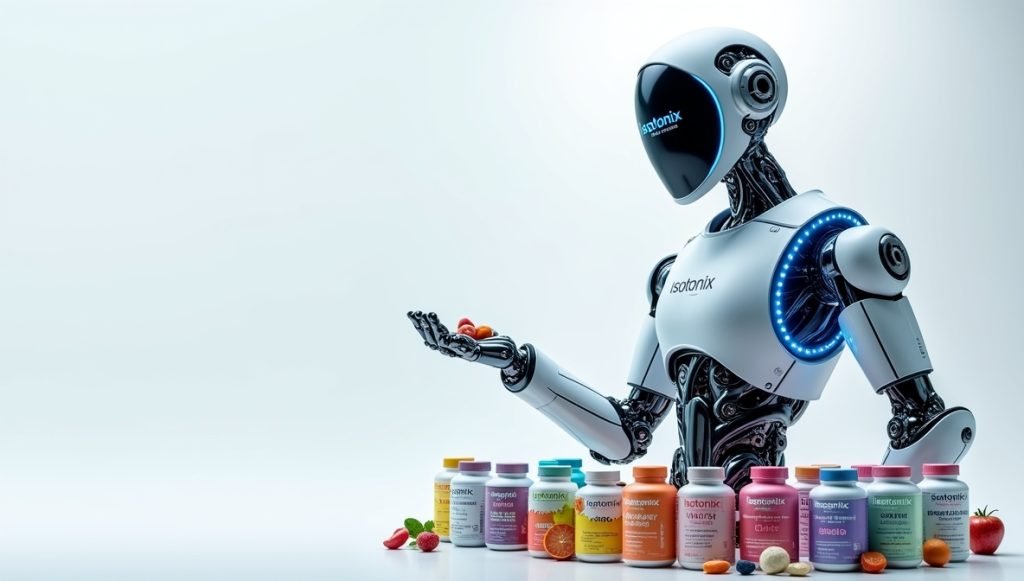
Looking ahead, the supplement industry will likely embrace technology even further. Digital health monitoring, artificial intelligence-driven nutrition plans, and personalized subscription models are poised to reshape consumer engagement. Supplements may evolve into fully integrated health ecosystems where tracking, delivery, and feedback work in harmony.
Sustainability will also become increasingly important. Eco-friendly packaging, ethically sourced ingredients, and transparent supply chains will be vital for building consumer trust. Innovations like isotonic solutions will continue to spark debate, while products such as isotonix vitamins highlight the potential for disruption in an already competitive market.
Conclusion
The supplement industry reflects the growing desire for proactive, personalized wellness. From ancient remedies to modern isotonic solutions, the journey demonstrates a constant search for better health. Supplements are no longer viewed as optional extras but as essential tools for navigating the demands of contemporary life.
As consumers demand more transparency, convenience, and scientific backing, the industry adapts. New delivery systems, shifting cultural attitudes, and personalized nutrition plans define the next era of wellness. Products like isotonix vitamins symbolize this shift—balancing science, consumer demand, and lifestyle compatibility in ways that resonate with health-conscious individuals.
In the end, the story of supplements is not just about nutrients but about empowerment. It reflects humanity’s collective pursuit of vitality, resilience, and longevity. While questions remain, one truth stands clear: the future of health will continue to be written not only in clinics and laboratories but also in the everyday routines of people choosing wellness, one supplement at a time.


